Home › Masonry Restoration and Historic Preservation
Superior Masonry Milwaukee provides historic masonry restoration services for older and landmark buildings throughout Milwaukee, WI. We carefully clean façades, repair damaged brick and stone, and replicate historic details using compatible materials. Our team works closely with owners and preservation consultants to protect the character and integrity of each structure.
Superior Masonry Milwaukee provides professional historic masonry restoration throughout Milwaukee, WI, Wisconsin and the surrounding area. Our licensed, insured crew delivers safe, clean, on-time work with a free estimate before anything begins. Call (854) 212-4473 or request your free quote.
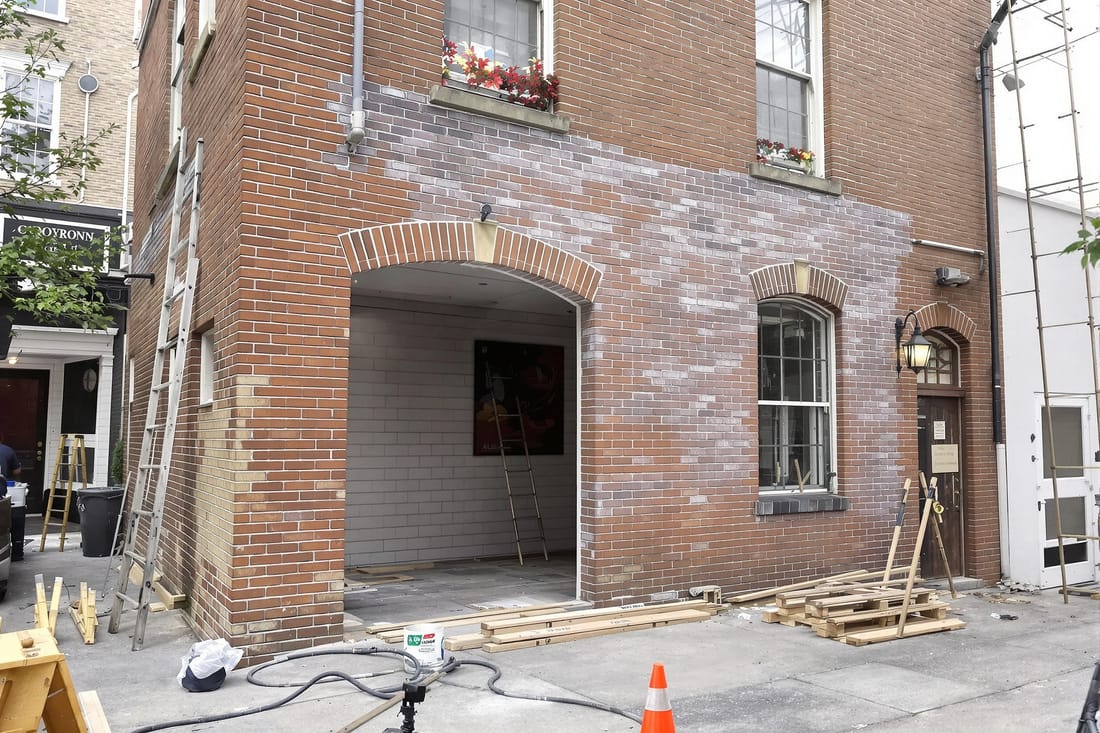
Thoughtful masonry restoration for Milwaukee’s older buildings
If you own a brick or stone building in Milwaukee, you already know this city has some serious character. From 1920s bungalows on the south side to cream city brick storefronts in Walker’s Point and 100-year-old duplexes on the East Side, the masonry is a huge part of that charm. At Superior Masonry Milwaukee, our focus with historic masonry restoration is to keep that original character intact while making your building safe, durable, and comfortable for modern use.
Historic masonry restoration is not the same as basic tuckpointing or patching. It means looking at how the building was originally built, what type of brick or stone was used, how the mortar was mixed, and how the structure has moved over the last several decades in our freeze-thaw climate. From there we design a repair plan that respects the original construction instead of fighting against it. This is especially important in older Milwaukee neighborhoods where softer brick and lime-based mortars are common.
We combine hands-on experience with older Midwest masonry and current preservation standards so that repairs do not create new problems in a few years. Our goal is that in ten or twenty years, someone looking at your building will not be able to tell where the repairs stop and the original work begins.
How we evaluate your historic masonry before any work starts
Good restoration starts with careful investigation. When Superior Masonry Milwaukee comes out for a historic masonry restoration assessment, we walk the entire exterior, then focus on problem areas. Common issues we look for in Milwaukee include spalling brick from years of road salt, bowing or bulging walls from moisture trapped behind harder cement mortars, crumbling chimneys that have seen decades of use, and hairline step cracks around window and door openings.
We also pay attention to previous “repairs.” Many older homes and buildings in Milwaukee have patches of gray, hard mortar or smeared cement over the original brickwork. These quick fixes often trap moisture inside the wall, which leads to interior plaster damage, efflorescence, and winter freeze damage. Part of our evaluation is deciding which of these old repairs can stay and which should be carefully removed.
For true historic preservation projects, we often do a mortar analysis. That might be a simple field test of hardness and color, or on more significant buildings we can send a sample in for lab testing to match the original sand composition and binder ratio. We also look at the brick or stone units themselves, especially cream city brick, which is softer and more porous than modern brick. Matching porosity is important. If you pair a hard modern brick with soft old brick, or a strong cement mortar with soft historic mortar, the wall will fail in the weaker material.
Once we understand how the wall is built and what is failing, we can recommend a scope of work that is tailored to your building instead of guessing from the ground.
Our process for historic tuckpointing, brick repair, and stone restoration
On a typical historic masonry restoration project in Milwaukee, the work often starts with careful removal of deteriorated mortar. We use hand tools or low-vibration grinders with vacuum attachments, and we control depth so we do not damage the edges of old brick or stone. Joints are generally cleaned out to about two to two and a half times the width of the joint, which gives new mortar enough “bite” to last.
Next comes mortar selection and mixing. For many pre-World War II homes and commercial buildings, that means a lime-rich mortar rather than a hard modern Type S or Type M cement mix. We match color and texture using local sands and, where appropriate, mineral pigments, so the new joints blend in over time rather than standing out as bright gray lines. On cream city brick, we pay extra attention to tooling and joint profile, since that has a big impact on how the wall sheds water.
Brick replacement is done only where necessary. If we can salvage original brick by flipping it or relocating it to a less visible area, we will. When we do need new units, we source brick that is close in size and absorption rate to the original. For stone buildings or foundations, we use compatible stone and shape it on site when needed. We also correct minor wall bulging or bowing by addressing moisture issues, re-anchoring loose wythe ties where accessible, and rebuilding smaller sections of wall rather than simply parging over damage.
Finishing touches might include selective cleaning using low-pressure washing and appropriate detergents, avoiding harsh sandblasting that can permanently damage historic surfaces. In some cases, especially near Lake Michigan where buildings get more wind-driven rain, we may recommend a breathable water repellent. We only use products designed specifically for masonry that allow moisture vapor to escape instead of trapping it in the wall.
What affects cost and timeline for masonry restoration in Milwaukee
Two similar-looking buildings on the same Milwaukee block can have very different restoration costs. At Superior Masonry Milwaukee, we walk you through the specific factors that drive pricing so you know what you are paying for.
Access is a big one. A two-story bungalow with level yard access is very different from a three-story cream city brick mixed-use building on a busy street where we need sidewalk permits, scaffolding, and more set-up time. The square footage of wall that needs tuckpointing or rebuilding matters, but so does how scattered the damage is. A concentrated area of failure can sometimes be rebuilt more efficiently than small pockets of deterioration on all four sides of the building.
Material matching and detailing for historic masonry restoration can also influence cost. Custom mortar matching, sourcing special-size brick, or carving replacement stone pieces takes more time and skill than using off-the-shelf materials. If there are decorative elements like corbelled brick cornices, stone sills and lintels, or ornamental chimney caps, those usually require more careful work than flat field brick.
Hidden damage is another factor. Sometimes behind a spalled brick face we find rotted wood lintels, failed metal shelf angles, or missing brick ties. In Milwaukee’s older basements, we may find moisture and settlement issues that require foundation repointing or minor structural remediation. When we write your proposal, we are upfront about what we can see and what might change once we open things up. We also work with your budget by phasing work if needed, starting with the most urgent safety or water infiltration issues and planning aesthetic or non-critical restoration for later phases.
As for timeline, many projects can be completed in a few days to a couple of weeks. Larger commercial or multi-family buildings, especially in historic districts, may take several weeks and might need coordination with city inspectors or preservation boards. We schedule work with Milwaukee’s weather in mind, avoiding mortar work in extreme cold or heat so you get a durable result.
What Milwaukee property owners should know before hiring a restoration mason
If you are comparing contractors for historic masonry restoration in Milwaukee, there are a few practical things to ask that can save you problems down the road. First, ask what type of mortar they plan to use and why. If the answer is simply “Type S, that’s what we always use,” on a pre-war brick building, that is a red flag. A good restoration contractor should be able to explain their mortar choice in terms of your building’s age, brick hardness, and exposure.
Next, ask how they intend to protect your property during the work. At Superior Masonry Milwaukee, we cover landscaping where needed, protect windows and trim, and keep a clean jobsite so brick and mortar debris do not scatter around your yard or sidewalk. We also pay attention to neighbors and shared driveways, which matters a lot in tighter Milwaukee neighborhoods.
You should also ask to see examples of similar projects, not just new brick work. Historic preservation means blending repairs into existing work. Previous customers’ homes in Bay View, Riverwest, Wauwatosa, and the East Side can give you a sense of how well the contractor matches mortar color and joint style.
Finally, talk about moisture management. In our climate, controlling water is as important as the brick itself. Ask how the contractor plans to handle issues like damaged flashing above brick walls, missing or cracked chimney crowns, clogged weep holes, or improper sealants that keep walls from drying. A thoughtful plan will extend the life of your restoration and protect your interior finishes.
When you are ready, Superior Masonry Milwaukee can meet you on site, review your concerns, explain your options in plain language, and put together a clear written proposal. Our goal is to help you preserve the Milwaukee masonry you love without surprises, so your building can keep doing its job for another generation.