Home › Masonry Repair and Restoration
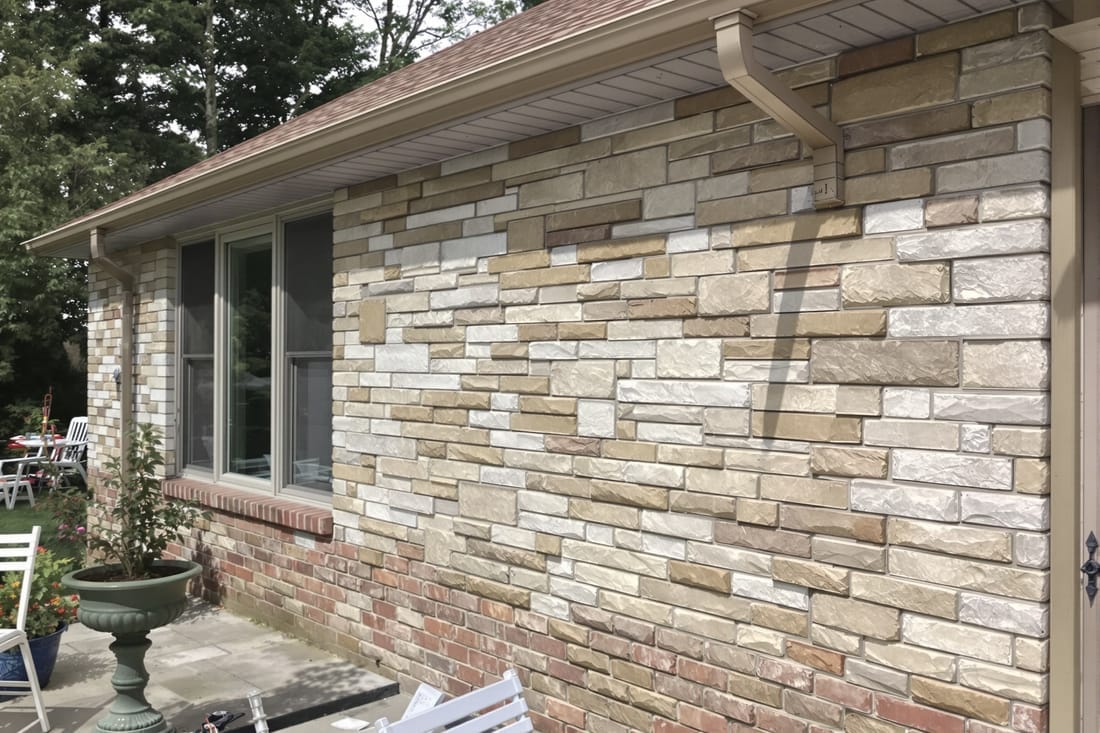
Superior Masonry Milwaukee provides complete masonry repair and restoration for homes throughout Milwaukee, WI. We diagnose and fix cracks, loose bricks or stones, and water damaged areas on walls, chimneys, and foundations. Our team blends new materials with old so repairs look seamless while strengthening the structure and extending the life of your masonry.
Superior Masonry Milwaukee provides professional masonry repair throughout Milwaukee, WI, Wisconsin and the surrounding area. Our licensed, insured crew delivers safe, clean, on-time work with a free estimate before anything begins. Call (854) 212-4473 or request your free quote.
Practical Masonry Repair in Milwaukee’s Climate
Masonry in Milwaukee takes a beating from freeze-thaw cycles, road salt, and lake-effect moisture. At Superior Masonry Milwaukee, we focus on repairs that actually hold up to local conditions, not just quick cosmetic fixes.
Most of our masonry repair calls start with one of a few common issues: crumbling mortar joints, loose or spalling bricks, white staining (efflorescence), stair-step cracks in block walls, or water getting into basements through deteriorated masonry. Before we quote any work, we inspect the affected areas in person. We look at the age of the building, type of brick or block, previous repairs, drainage patterns on the lot, and where water and ice are likely sitting or running.
For typical tuckpointing and joint repair, we test the existing mortar hardness and composition. Many older Milwaukee homes use softer lime-based mortars, while newer construction is usually Portland cement based. Matching strength is important. If we put a rock-hard mortar between softer historic brick, the brick can crack instead of the joint flexing the way it should in winter.
We also pay attention to how the wall moves. Vertical hairline cracks around windows, diagonal cracks off corners, or bulging sections of wall all tell different stories. Before we repair, we try to figure out what caused the damage: settlement, poor lintel support over an opening, downspouts dumping water on the foundation, or just long-term weathering. Fixing only the visible symptom is how people end up paying twice for the same area in a few years.
How We Actually Repair Brick, Block, and Stone
Once we agree on scope and price, Superior Masonry Milwaukee follows a clear sequence so the repairs last and blend in.
For mortar joint repair (tuckpointing), we start by cutting out failing mortar to the proper depth, usually about two to three times the width of the joint. We do this with small grinders and hand tools to avoid chipping surrounding brick or stone. We do not smear mortar over the surface, which is a common shortcut that fails quickly.
Next, we clean the joints of dust and debris and lightly dampen them so the new mortar bonds correctly. We mix mortar that matches the original in color and strength. On older Milwaukee brick, this often means a custom blend so repaired areas do not stand out as bright gray patches. The new mortar is packed into the joints in layers and compacted firmly, then tooled to match the existing joint profile.
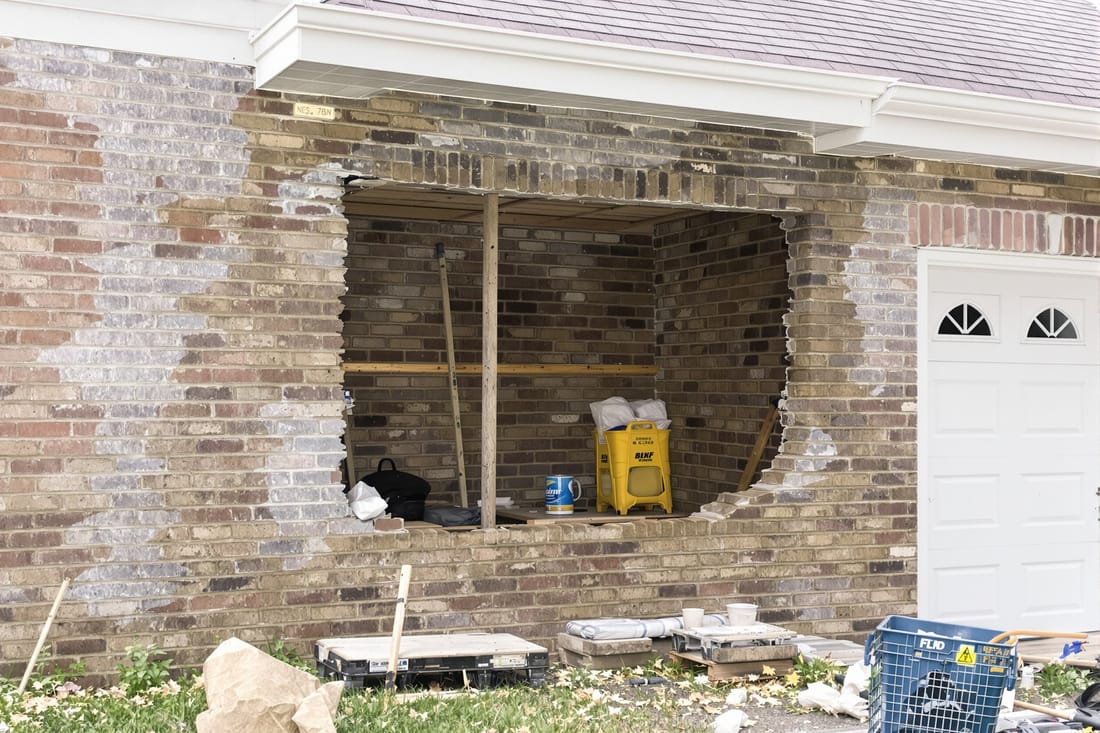
For damaged bricks or concrete blocks, we remove and replace individual units. We carefully cut out the bad brick, clean the opening, and reset a matching unit on fresh mortar, aligned with the existing pattern. On older buildings, perfect brick matches are not always available, but we maintain bond pattern and joint lines so the repair reads as part of the wall instead of a patch.
On stone walls and steps, we rebuild loose or shifted stones with proper bedding and drainage in mind. If a stone is salvageable, we reset it. If it is crumbling, we replace it with similar material and match the pointing style so the repair is strong but not distracting.
Restoration for Older Milwaukee Brick and Historic Details
Many Milwaukee neighborhoods have brick homes from the early 1900s, Cream City brick features, and older commercial buildings with decorative masonry. These do not respond well to aggressive cleaning or modern mortars. Superior Masonry Milwaukee treats restoration work differently from simple repair.
On older and historic structures, we start by checking for previous hard mortar or cement coatings that might be trapping moisture. We often see walls where hard patches have caused nearby brick faces to pop off during winter. In those cases, we carefully remove incompatible repairs before installing new, compatible materials.
Color and texture matching matter more on restoration jobs. We may create test panels with slightly different mortar colors and tooling so the owner can choose what blends best with aged brick. Where details like corbeling, arches, or decorative sills are failing, we document existing patterns, then rebuild them piece by piece so proportions and shadow lines stay true to the original look.
Cleaning is also handled cautiously. Instead of harsh sandblasting, which can destroy the fired surface of brick, we use gentler washing methods and appropriate masonry cleaners, chosen based on the type of staining and brick. For efflorescence, we address the moisture source first (often failed flashing or poor drainage) so the white salts do not return after cleaning.
If you own a historic Milwaukee property, the goal is usually to stabilize, preserve, and visually blend repairs, not to make the wall look brand new. We walk clients through what should be kept, what must be replaced, and what can be sensitively restored so the building keeps its character while staying structurally sound.
Costs, Estimates, and What Drives Price on Masonry Repair
Masonry repair is not priced by guesswork. There are specific factors that affect cost, and we explain them during the estimate so there are fewer surprises.
Key cost drivers include access (height, roof pitch, and whether we need scaffolding), total square footage or linear feet of joints, how deep we must remove old mortar, severity of damage, and whether replacement bricks or stones are standard or specialty. Chimney repairs at two or three stories, for example, cost more because of setup time and safety requirements, even if the actual repair area is small.
In Milwaukee, another major factor is weather timing. Proper masonry work needs temperatures above freezing during application and cure. When repairs are urgent in late fall or early spring, we sometimes use cold-weather methods or schedule around nighttime lows, which can add some labor cost. We will tell you if waiting until more stable weather will save money or produce a better result.
For most projects, Superior Masonry Milwaukee provides a written estimate that breaks down the areas to be repaired, what exactly will be done in each area, and any assumptions, such as access being available or typical brick availability. If we discover hidden problems after opening a wall, like rotted lintels or deeply damaged block behind a brick veneer, we stop and discuss options before proceeding.
Homeowners can reduce costs by addressing smaller issues early. Repointing a few areas of soft mortar and sealing a couple of cracks is much cheaper than rebuilding a bowing wall or replacing a chimney that has started to lean. During estimates, we often point out “watch areas” that do not need work yet but should be checked every year or two.
What Milwaukee Homeowners Should Check Before Hiring
Choosing a masonry contractor matters, because a bad repair can be harder and more expensive to fix than the original problem. Superior Masonry Milwaukee encourages homeowners to ask a few direct questions before signing any agreement, whether you hire us or not.
Ask how the contractor determines mortar type and color. If the answer is simply “we use our standard mix,” that is a red flag, especially on older buildings. Ask to see photos of similar projects in Milwaukee, not just generic stock images. Local examples show how well their work weathers through a couple of winters.
Confirm that the crew doing the work is the same company that gave the estimate, not an unknown subcontractor with different standards. Find out how they will protect your property: covering landscaping, controlling dust, and managing debris removal. For chimneys or upper walls, ask how they will access the work, what safety measures they use, and how long equipment will be in place.
You should also understand what is included in the price. Does it cover mortar removal to a specific depth, brick or block replacement as needed, washing of walls, and clean-up each day, or are those extra? Get details in writing so you can compare one proposal to another on equal terms.
Finally, ask about how they handle Milwaukee’s weather. A responsible company will reschedule if conditions are wrong for quality work, instead of pushing ahead in freezing temperatures just to get the job done. Proper curing time, joint protection from sudden rain, and seasonal planning all affect how long your masonry repair will last in our climate.